Collaborator 01
Prof. D. N. Singh
IIT Bombay
Environmental geotechnology, waste valorisation and material engineering research.
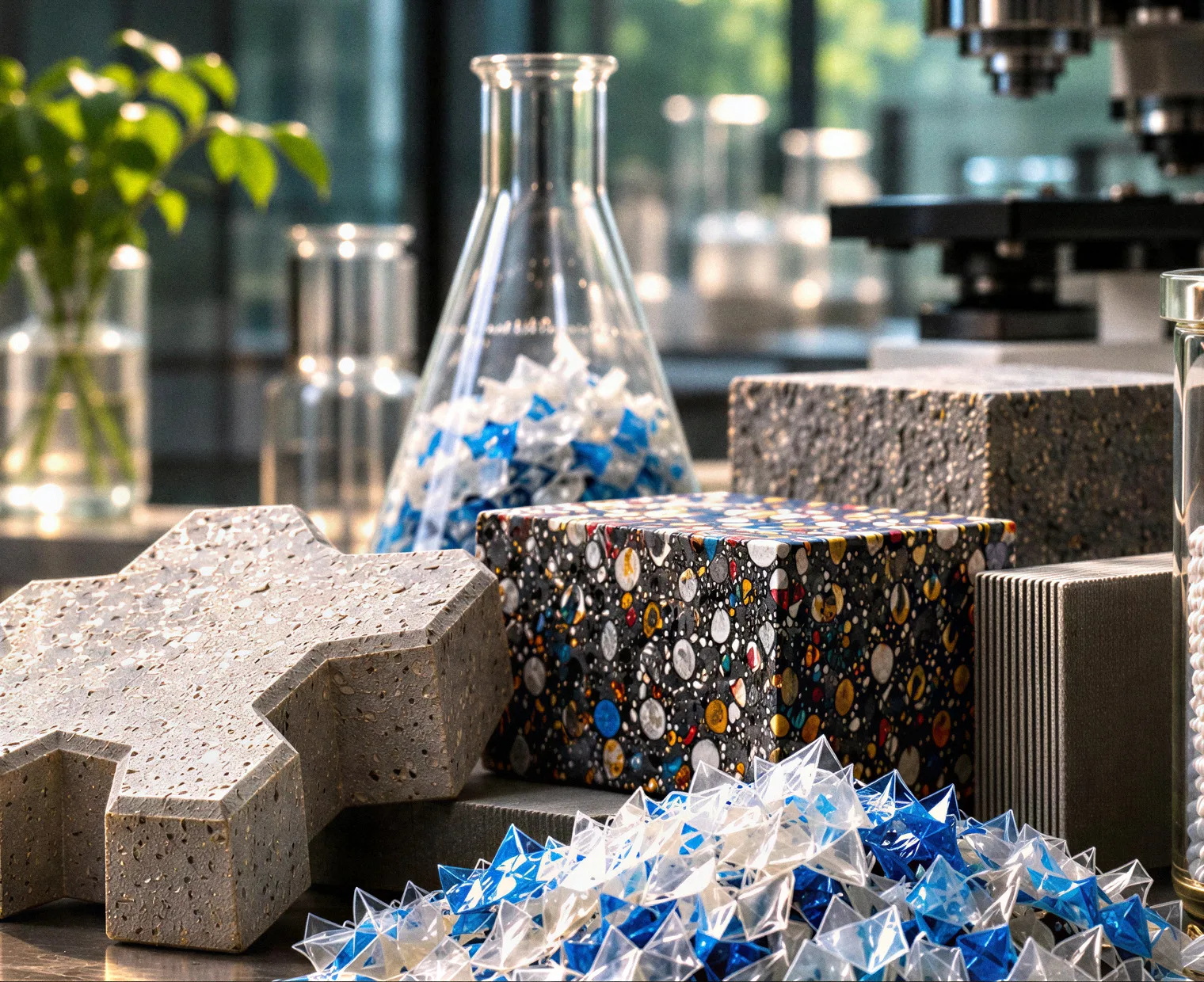
Della Townships India | Living Laboratory 07 / 08
Turning Yesterday’s Waste into Future-Fit Cities.
If we are designing townships for the next 100 years, we must rethink the materials we build them with today.
Through our research collaboration with IIT Bombay, we are exploring how discarded resources can be transformed into construction materials, beginning with modular interlocking bricks derived from plastic waste.
Our integrated townships offer the opportunity to take these innovations beyond scientific research, exploring their potential across buildings, infrastructure and public spaces while generating knowledge that could shape the future of human living.

02
Bringing Together Scientific Expertise and the Vision to Build Future-Fit Cities.
IIT Bombay contributes expertise in environmental geotechnology, waste valorisation and material engineering. We bring our multidisciplinary masterplanning, development and township operations perspective, creating opportunities to evaluate how scientific discoveries could translate into practical construction solutions.
Together, we seek to bridge the gap between material innovation and its application in the built environment.
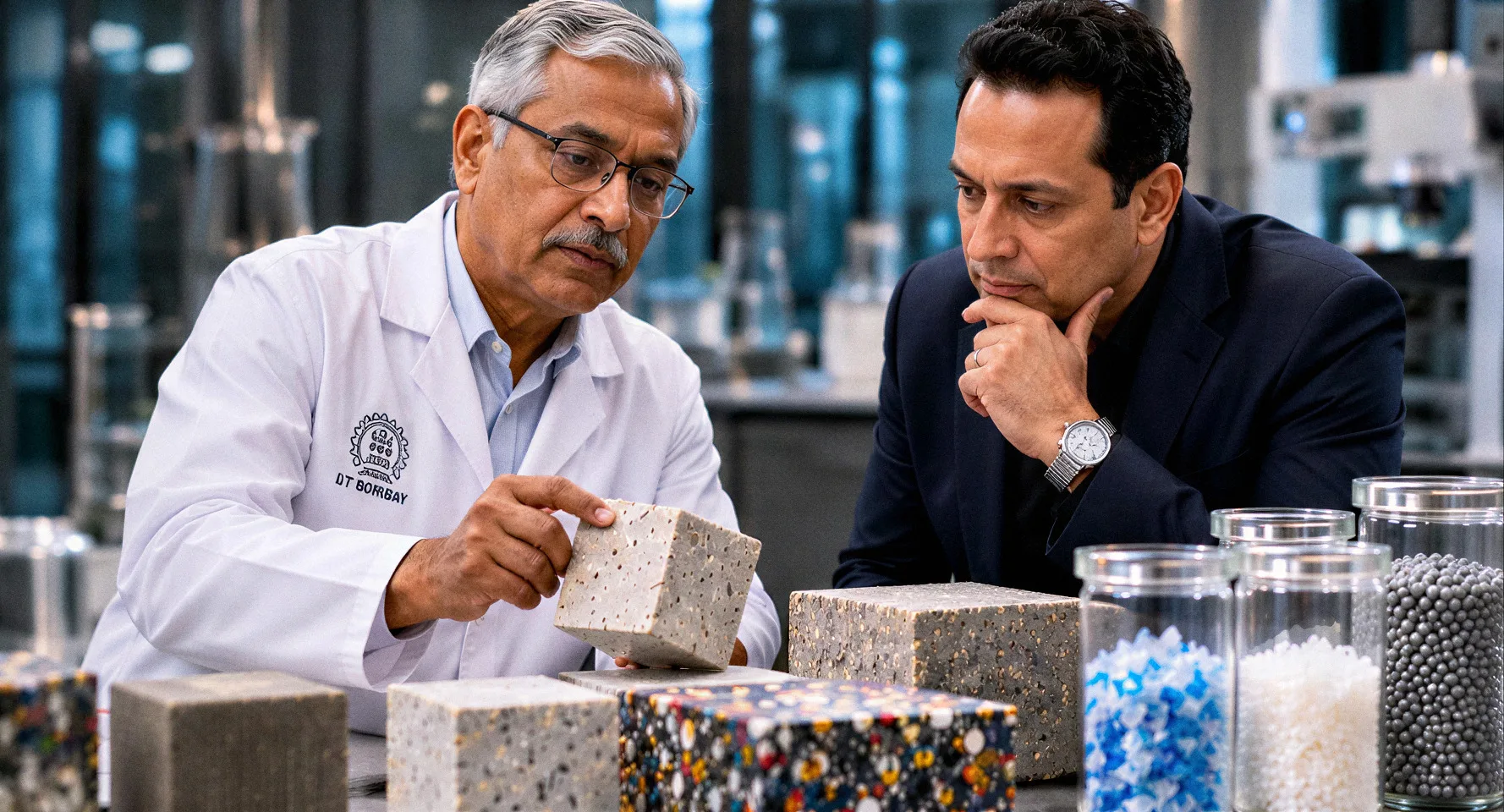
Collaborator 01
IIT Bombay
Environmental geotechnology, waste valorisation and material engineering research.
Collaborator 02
Design Futurist · Master Planner · Creator of Future-Fit Cities
Leading our vision to transform integrated townships into living laboratories for the future of human living.
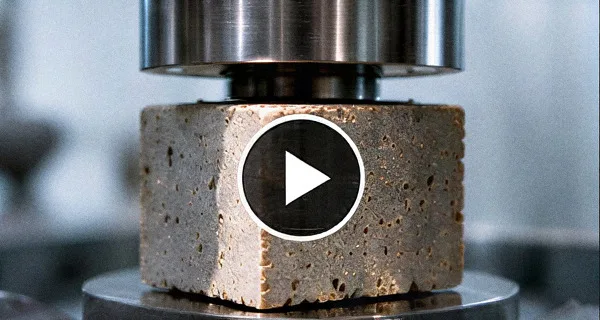
Vision film
Watch the Vision Film
03
Two Research Dimensions for a Circular Material Future.
Our research examines two fundamental questions: Can discarded resources become dependable construction materials? And can the buildings of tomorrow be designed to preserve material value across generations?
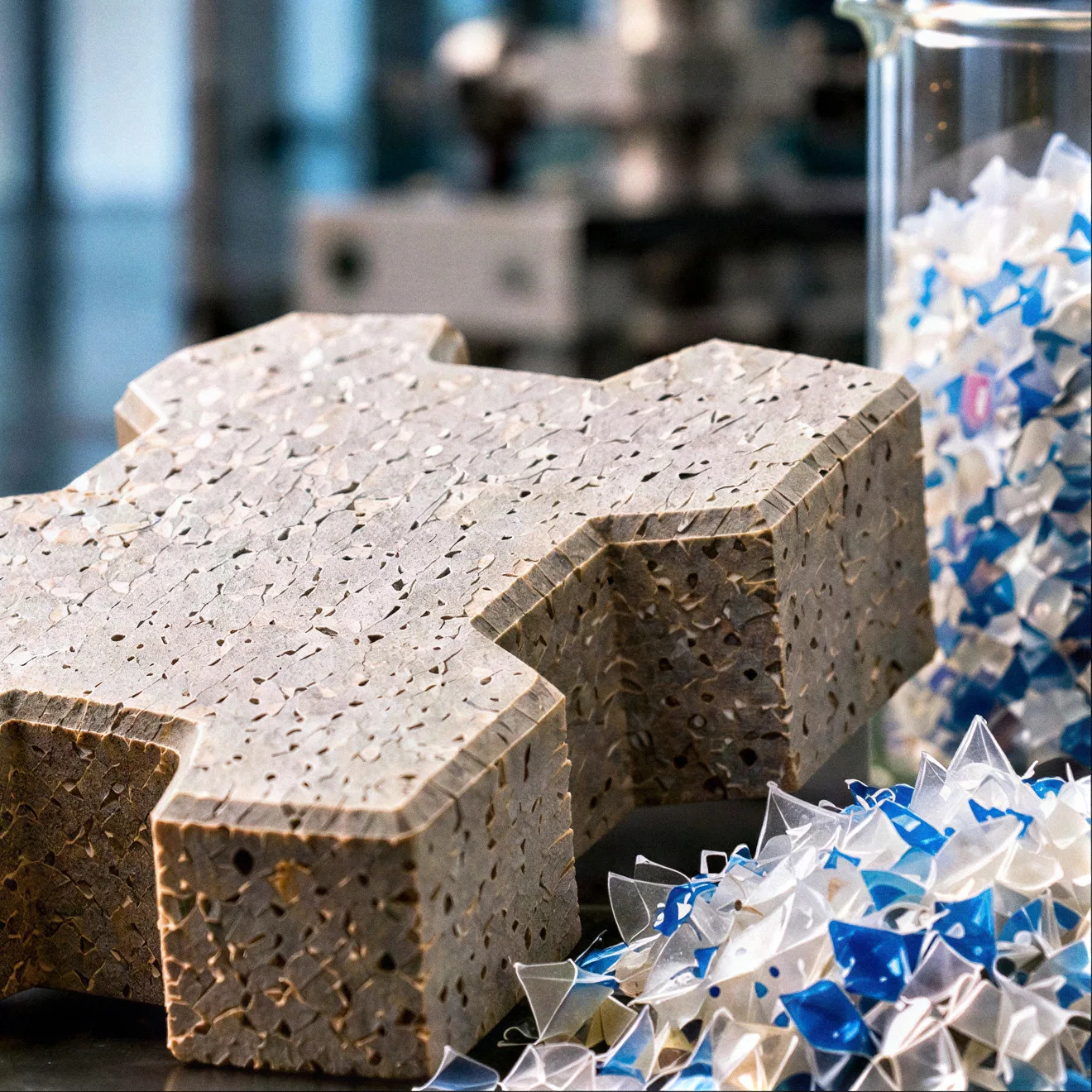 01Research in progress
We are investigating how landfill waste, discarded plastics and construction debris can be converted into usable building materials, beginning with modular interlocking bricks derived from waste.
The research explores material recovery, processing and engineering feasibility to identify which waste streams could become safe, functional construction products, reducing reliance on virgin resources.
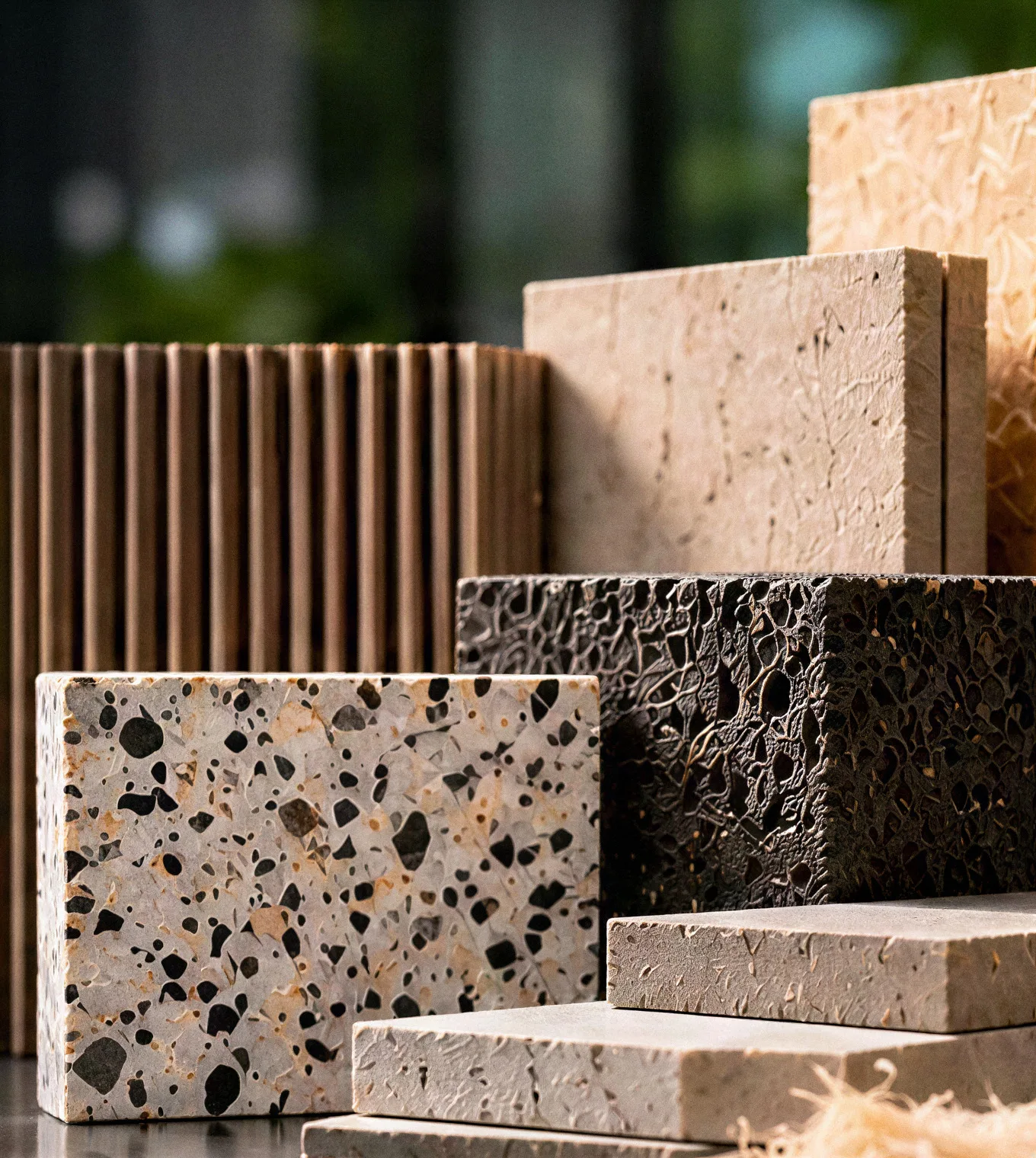 02Research in progress
Integrating principles of design for disassembly, we are also exploring how components can be repaired, replaced, recovered and reused instead of demolished and discarded, potentially extending building lifespans while conserving resources.
04
Taking Material Research Beyond the Laboratory and Into Everyday Living.
Our initial research examines the transformation of plastic waste through collection, segregation, processing and material formulation into potential construction products.
Across our integrated townships, we are identifying opportunities to evaluate these materials in pedestrian networks, roads, public spaces and landscapes. As research progresses, further applications may emerge.
Each application will require engineering validation and controlled testing, helping us understand how experimental materials respond to actual environmental conditions, daily use and maintenance requirements.
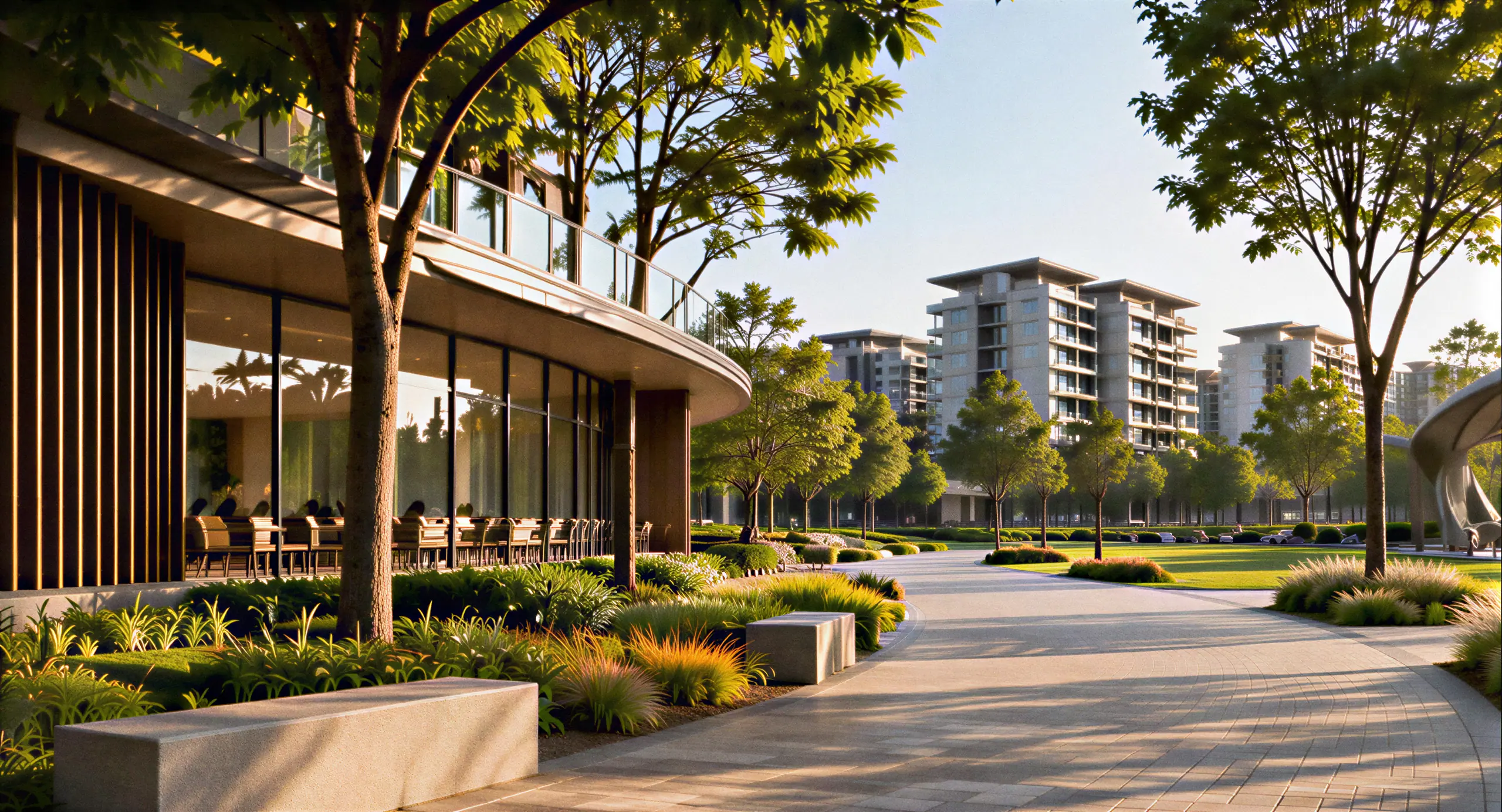
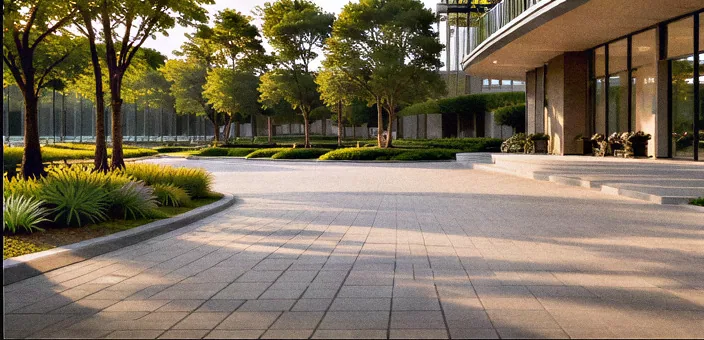
Modular paving products for walkways, plazas and selected paved areas, subject to load, wear and slip-resistance requirements.
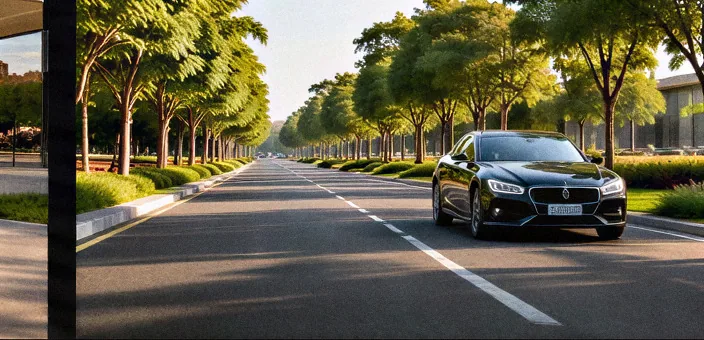
Recycled-plastic-modified bituminous mixes, evaluated for appropriate road conditions and applicable specifications.
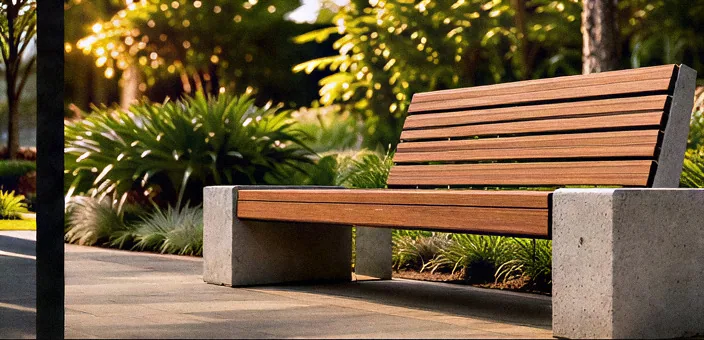
Recycled-material components for benches, bollards and other public-realm elements.
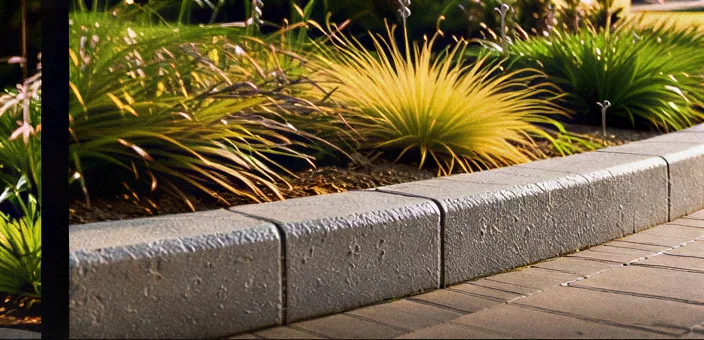
Potential applications in road edges, garden borders, landscape edging and selected non-structural components.
Proposed applications, subject to engineering validation, applicable standards and further testing.
05
Measuring What Works Today to Inform How We Build Tomorrow.
A recycled material is not necessarily a better material. Its value must be demonstrated through safety, performance, environmental benefit and long-term viability.
We aim to evaluate experimental materials against conventional alternatives, combining scientific testing with future field assessments to establish their suitability for different construction applications.
The objective is to generate reliable evidence that can guide material selection, engineering specifications and responsible deployment.
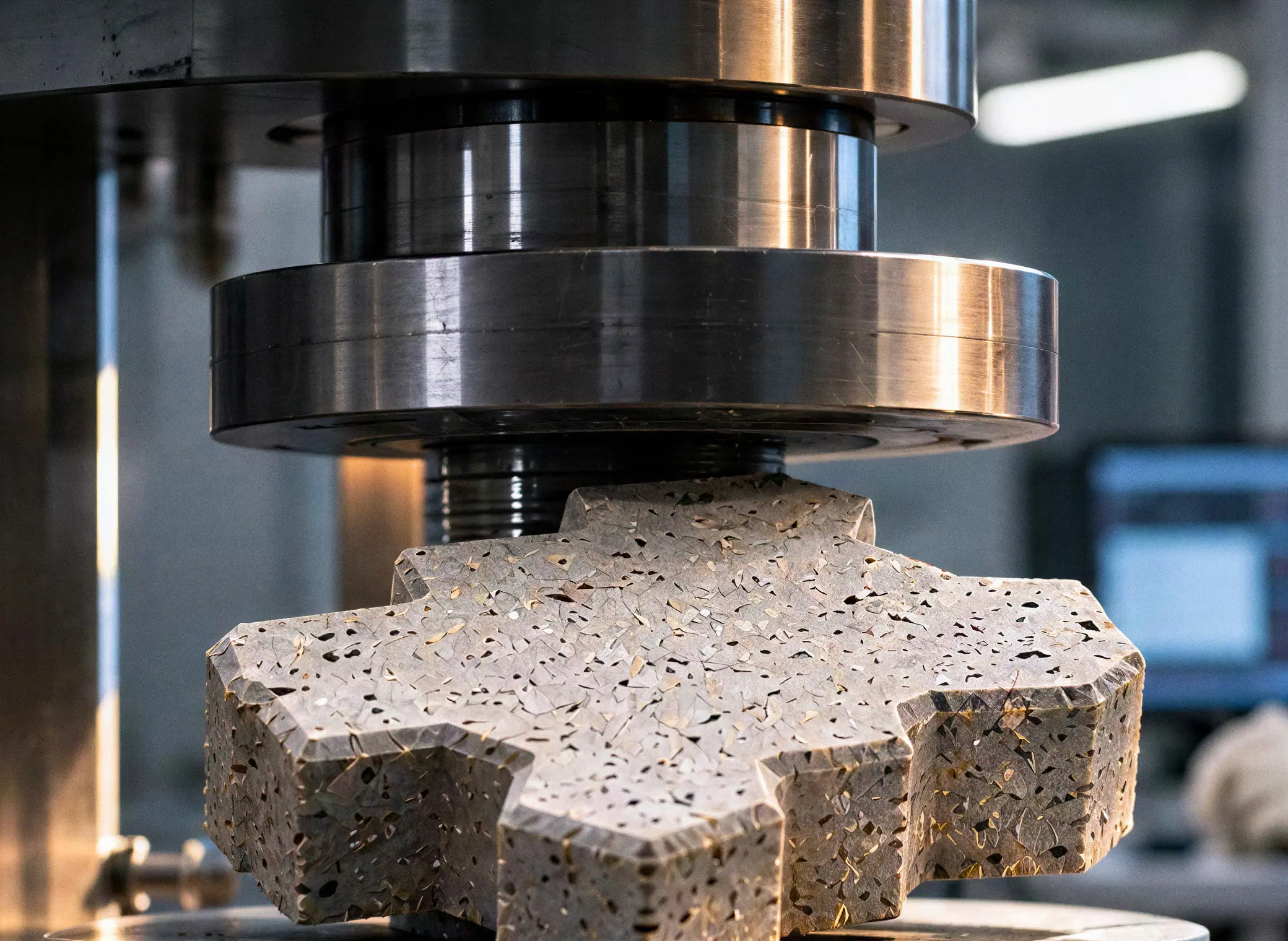
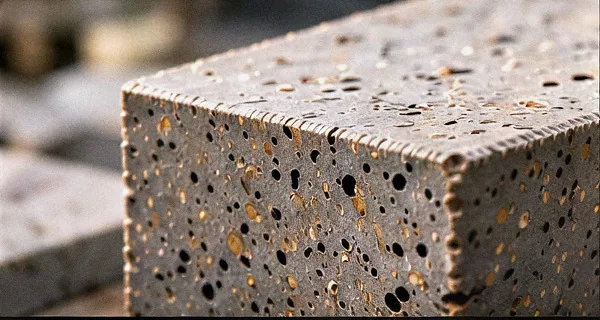
Measuring compressive strength, load-bearing capacity and mechanical behaviour against application-specific requirements.
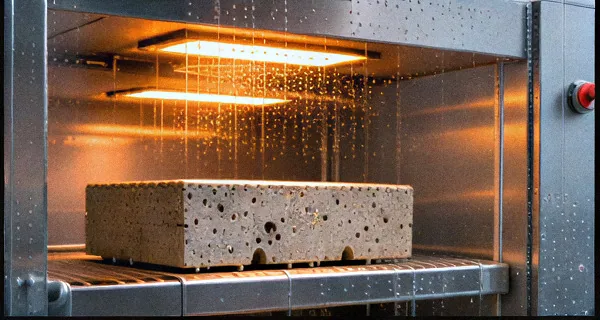
Evaluating resistance to heat, rain, UV exposure and changing climatic conditions.
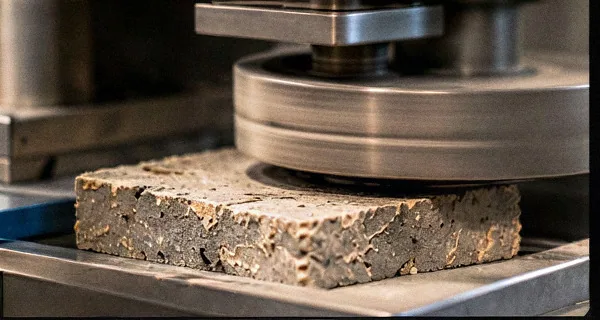
Assessing abrasion, repairability, maintenance requirements and expected service life.
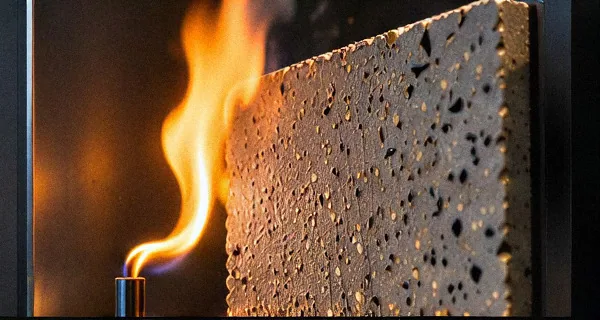
Examining fire behaviour, toxicity, material safety and compliance with applicable construction standards.
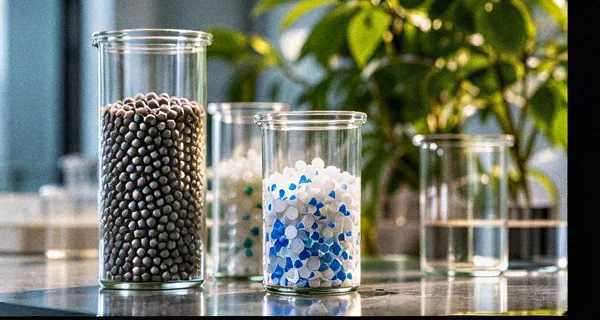
Comparing recovered material content, resource consumption, lifecycle emissions and environmental performance against conventional products.
06
Generating Knowledge That Could Shape the Next 100 Years of Human Living.
The larger purpose of our research is not simply to create new construction products. It is to investigate how buildings and infrastructure can use fewer finite resources, remain functional for longer and retain their material value beyond their original use.
Through scientific validation and future township applications, we aim to develop a deeper understanding of material performance, environmental responsibility and the potential for circular construction at scale.
Expected impact
01
Identifying opportunities to recover discarded materials and replace selected virgin construction inputs, reducing dependence on newly extracted resources.
02
Evaluating alternatives that could reduce waste disposal, embodied emissions and the overall environmental footprint of construction.
03
Investigating durable, adaptable and repairable components that could improve infrastructure longevity while enabling future material recovery.
04
Developing material specifications, evaluation methods and practical learnings that could be applied across our 13 townships and future developments.
The larger learning
What if the buildings we create today could become the material resources of tomorrow?
Understanding how to preserve and recover material value could fundamentally influence how future generations design, build and renew their cities.
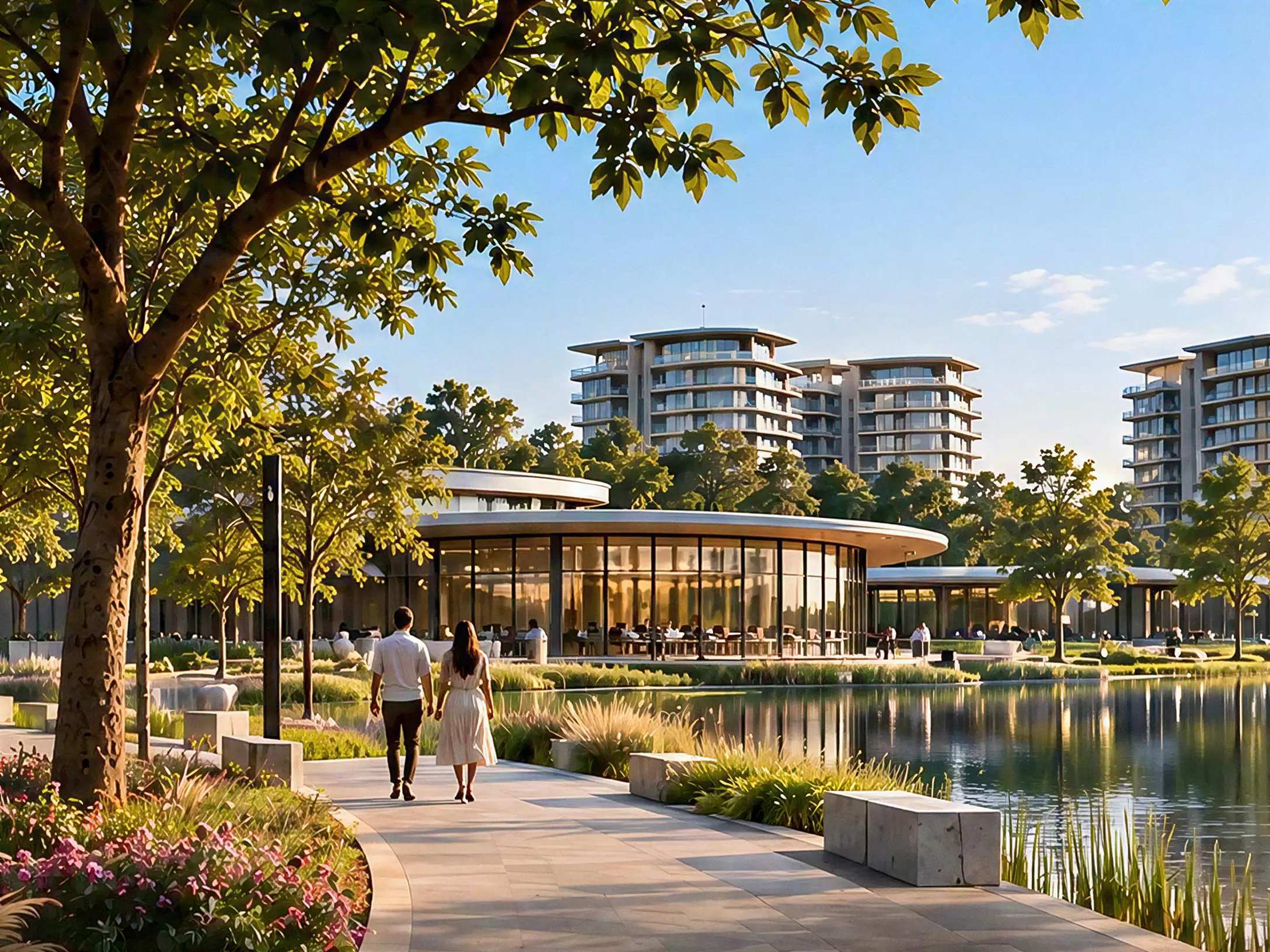
Artist impressions and reference renders are illustrative. Research outcomes, applications and collaborations are subject to validation and may change.


At Della Townships India, we believe the future is built through collaboration. We invite individuals, companies, research institutions and organizations to join our Future-Fit Living Laboratories, where ideas, research and innovations can be tested, developed and implemented in real-world townships.
If you believe you can shape how humanity lives for the next 100 years, let’s collaborate!