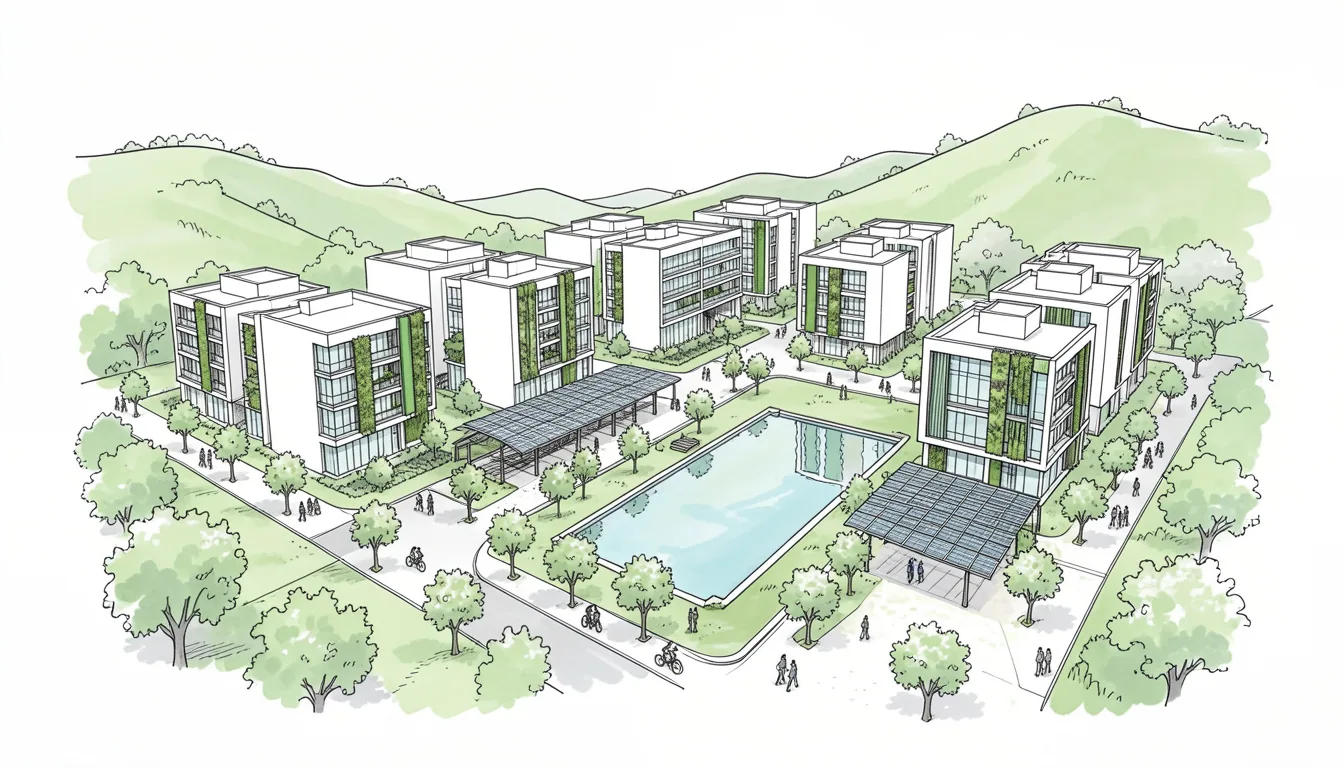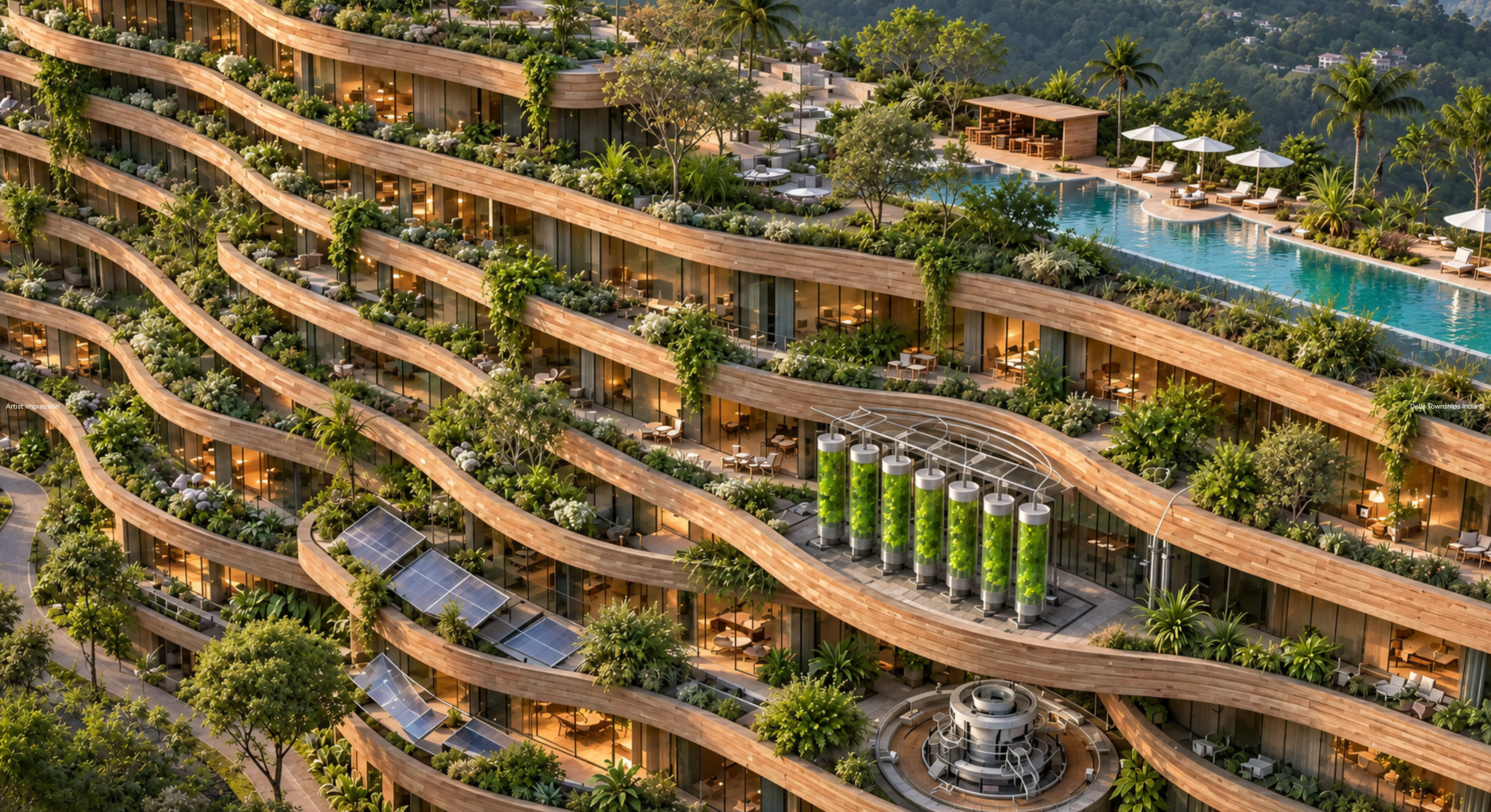



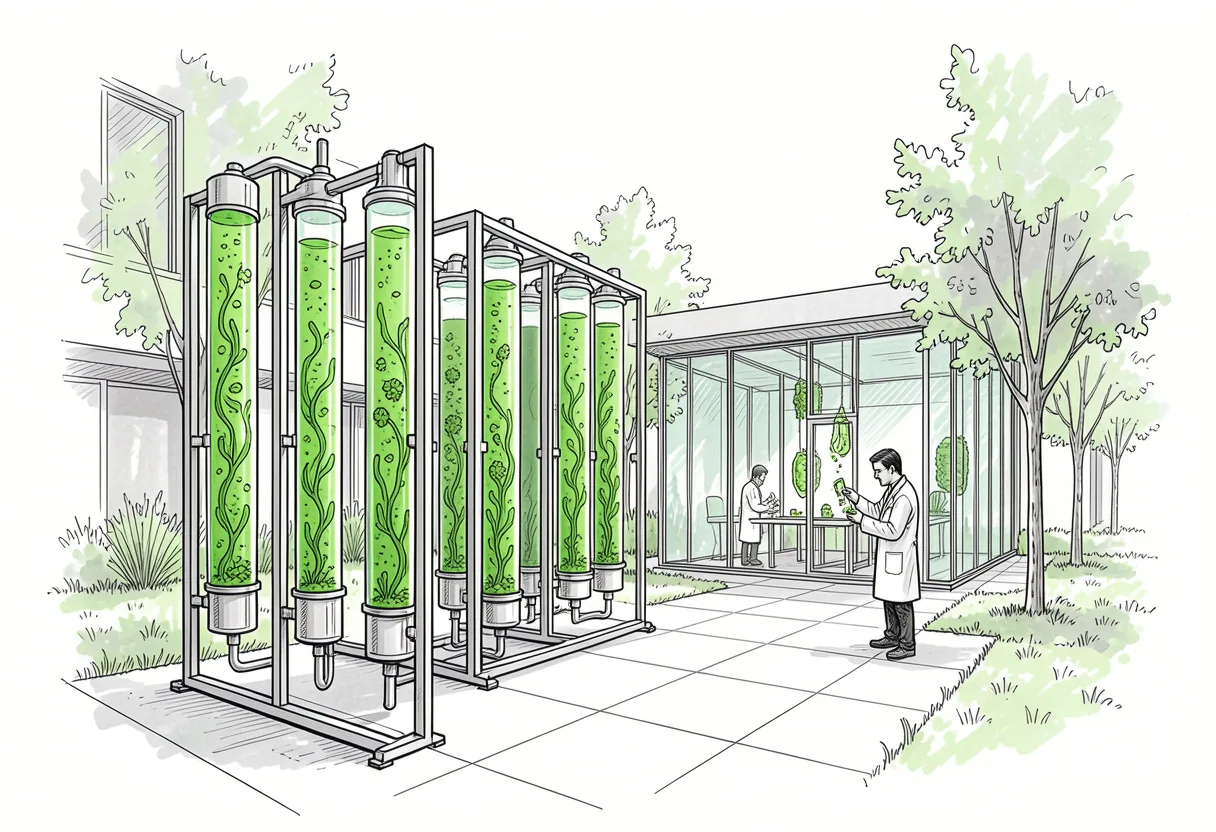
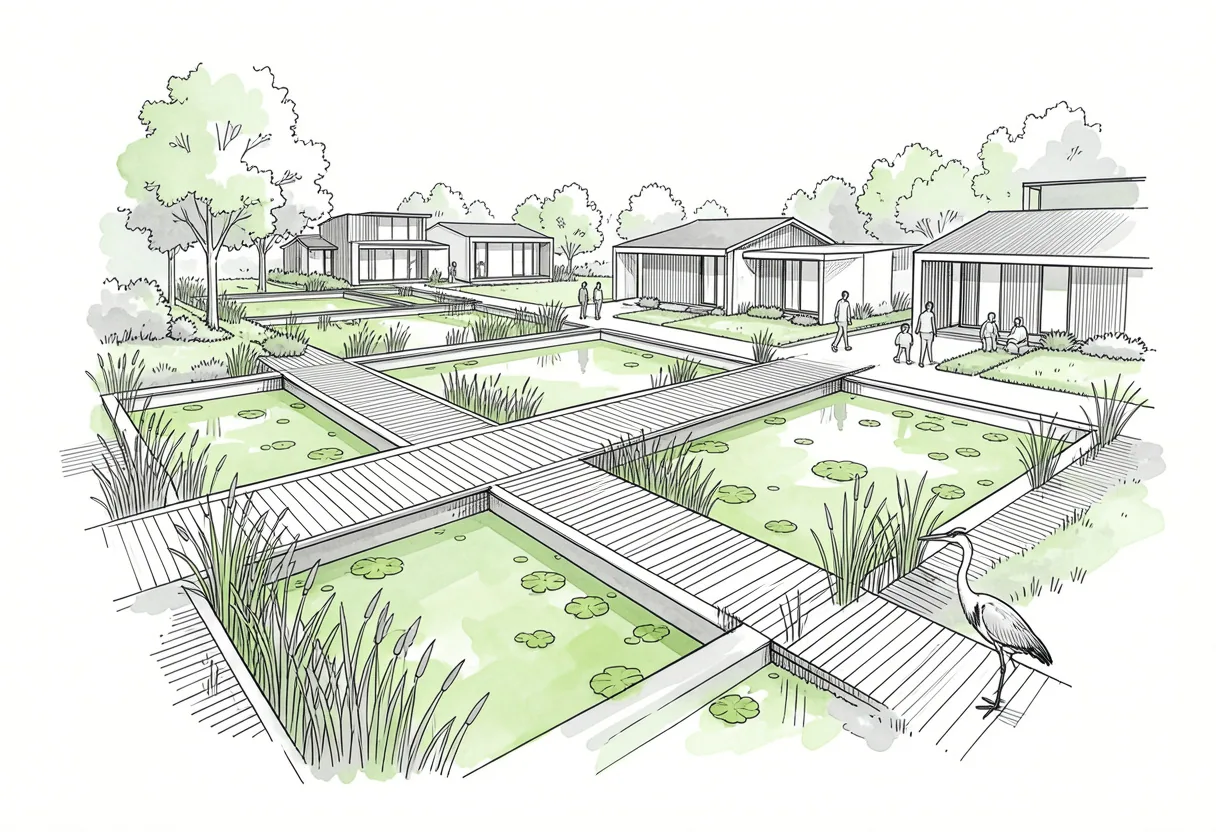




Regenerative township with terraced landscapes, water and microalgae columns (Della concept imagery · artist impression)

Laboratory 06 / The Living Laboratories

The Laboratory of
Regenerative Nature


Restoring ecological balance through science and nature.

Della is testing how microalgae, water restoration, urban forests and landscape design can improve environmental performance within our townships. Our approach combines scientific research, engineering, field trials and measurable results.

Brand & research collaborators

IIT Madras
IIT Madras

Microalgae research

Vaayuneer Sciences

Applied research

IGNITE Life Science Foundation
IGNITE · spARC

Life-science network

The philosophy

“Most development takes from the land.
We want to give back.”

Jimmy Mistry

Design Futurist, Master Planner. Creator of future-fit cities
cmd, Della Townships India

Can architecture, engineering and life sciences work together to create places that help regenerate the environments they occupy?

Each intervention is intended to have a defined location, technical approach and method of measuring results. Not every concept will be suitable for every township.

At Della Townships India, our research connects microalgae, water ecology, biodiversity and restorative landscapes. We seek to make these systems part of the master plan, test them in working environments and document what succeeds, what fails and what can be improved.

Documented collaborations

The people and institutions behind the research.


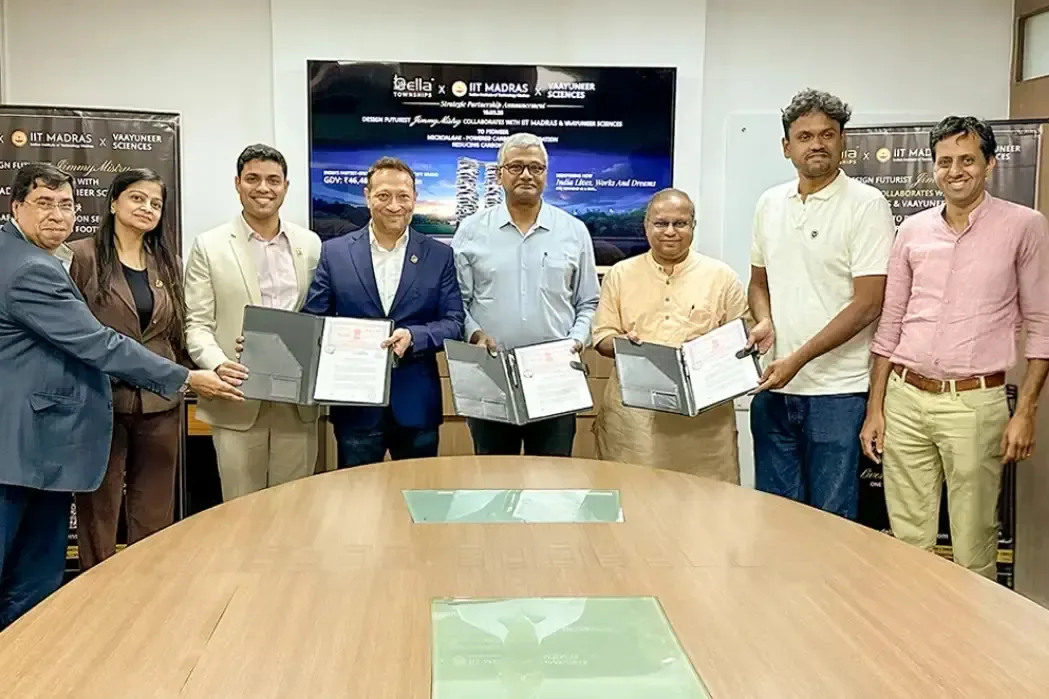
Della’s microalgae programme brings together IIT Madras, Vaayuneer Sciences and Della’s design and engineering teams. Della has also convened scientific discussions with IGNITE Life Science Foundation and spARC to explore potential applications and broader research participation.

Della, IIT Madras and Vaayuneer Sciences collaboration

Della Townships × IIT Madras

Microalgae research collaboration announced in March 2026. Della’s published collaboration names Dr. Manu Santhanam, Sai Das, Dr. Ashwin Mahalingam and Prof. G. K. Suraishkumar.

Della Townships India IGNITE Life Science Foundation spARC — Special Academic Research Cooperatives

Pioneering Microalgae Science For Future Cities
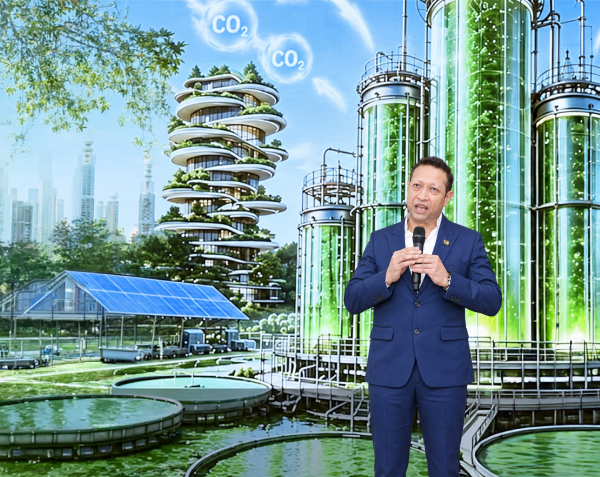
Jimmy Mistry addressing the conference

14–16
June 2026

Della Resorts

Jimmy Mistry
Founder & CMD · Della Townships India

Three-day conference · Della Resorts

Algae & Microalgae: Powering a Sustainable Future


Jimmy Mistry Design Futurist, Master Planner, Creator of Future-Fit Cities and CMD of Della Townships India, in collaboration with IGNITE Life Science Foundation and spARC, hosted a landmark three-day conference, “Algae & Microalgae, Powering a Sustainable Future,” at Della Resorts from 14–16 June 2026.

The gathering brought together 35 leading Indian scientists, IGNITE’s Board and Scientific Advisory Board, including Director Dr. K. Jayashankar, CEO Shravanti Rampalli, and Ramaswamy Subramanian, Director, Biocenter, Purdue University, to explore breakthrough applications of algae and microalgae.

3
day conference
35
leading Indian scientists
13
future integrated smart townships

What Della is exploring

Together with IIT Madras, IGNITE and spARC, Della is exploring an R&D Lab in Lonavala, microalgae-powered treatment plants, improved AQI and indoor air quality, vertical hydroponics, concrete-surface applications and aquatic ecosystems, with the vision of integrating these innovations across Della’s 13 future integrated smart townships. The gathering will continue as an annual meet-up at Della Resorts dedicated to science, sustainability and future-ready innovation.

  • 01 R&D Lab in Lonavala
  • 02 Microalgae-powered treatment plants
  • 03 Improved AQI & indoor air quality
  • 04 Vertical hydroponics
  • 05 Concrete-surface applications
  • 06 Aquatic ecosystems
  • 07 Annual meet-up at Della Resorts
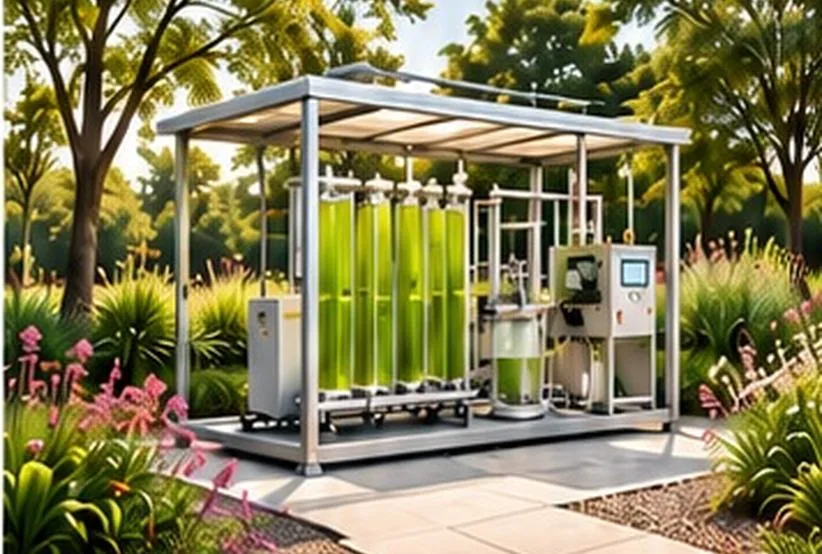
Scientific exchange and research network; not presented as a validated field deployment.

Carbon sequestration using microalgae (Della concept imagery · artist impression)

Sub-Laboratory 32

Carbon Sequestration Using Microalgae


Turning architecture into living carbon-capture systems.

The science and its application

Why are we researching microalgae?

Microalgae are microscopic organisms that use light and CO₂ to grow, releasing oxygen through photosynthesis. Under certain controlled cultivation conditions, they can fix carbon much faster per unit of cultivation area than conventional terrestrial plants. The actual advantage depends on species, light, growth conditions and how performance is measured.

For Della, the opportunity is to use surfaces that conventional planting cannot occupy: rear elevations, boundary structures and service areas. We are investigating whether microalgae can be cultivated in engineered systems integrated into the township without changing its customer-facing architecture.

Working with IIT Madras and Vaayuneer Sciences, the research will examine strain selection, biomass productivity, CO₂ uptake, oxygen output and repeatable measurement methods. Della will develop the architectural integration, system engineering, prototyping and site operations.

The research question

Can ordinary township infrastructure become productive space for measurable carbon capture?

The approach01Identify appropriate locations→02Engineer a testable system→03Measure its performance→04Refine the design→05Evaluate replication

Sub-Laboratory 32 / Application case studies

Where microalgae can be integrated.

Choose one of three applications to understand where a microalgae system could be installed, what must be designed around it and what Della intends to test.

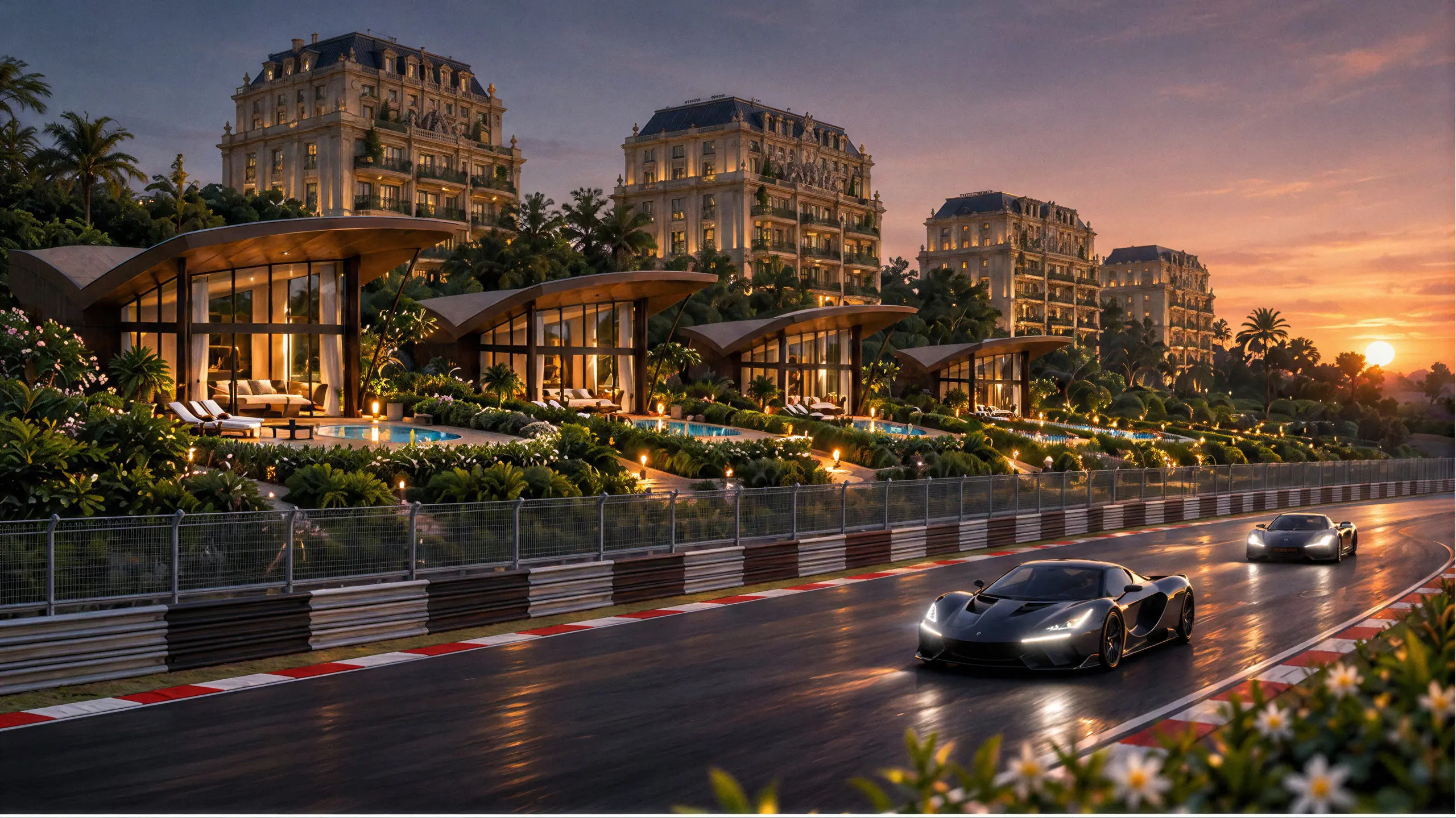
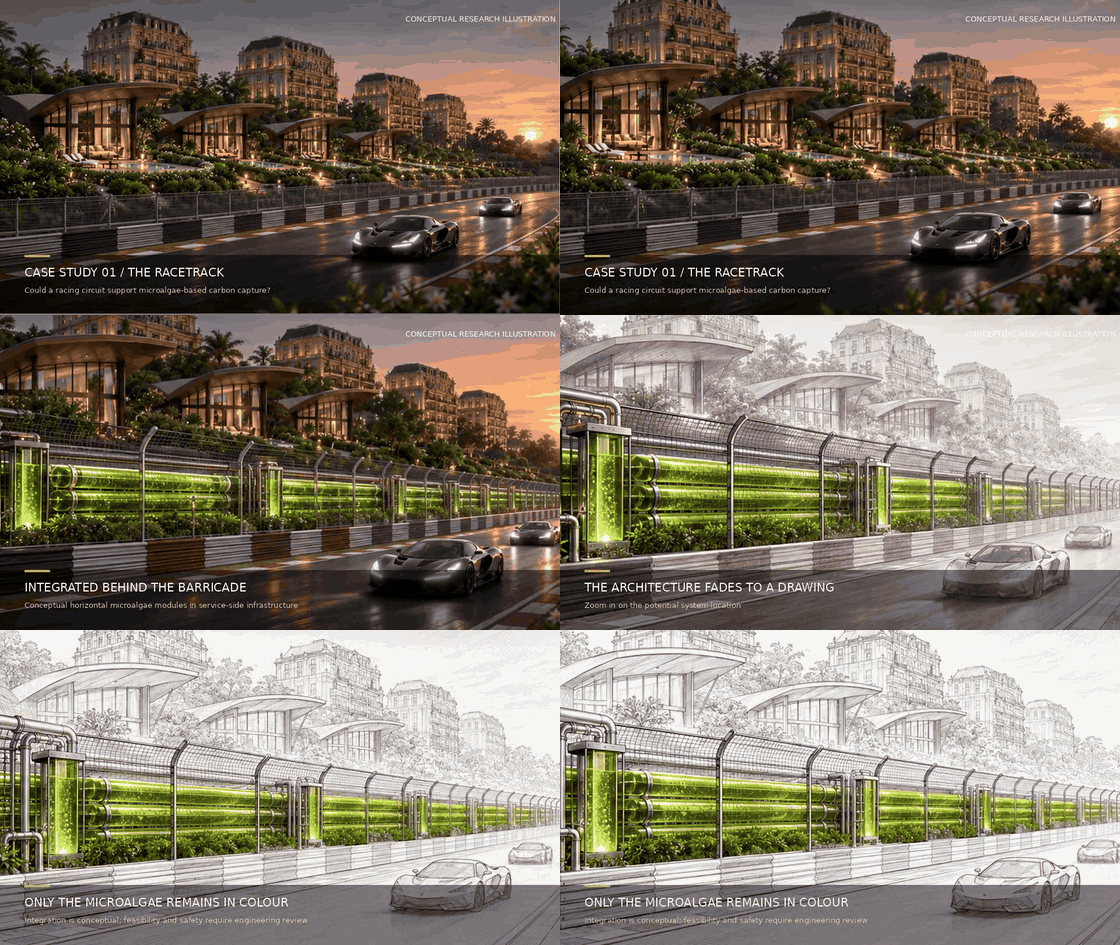
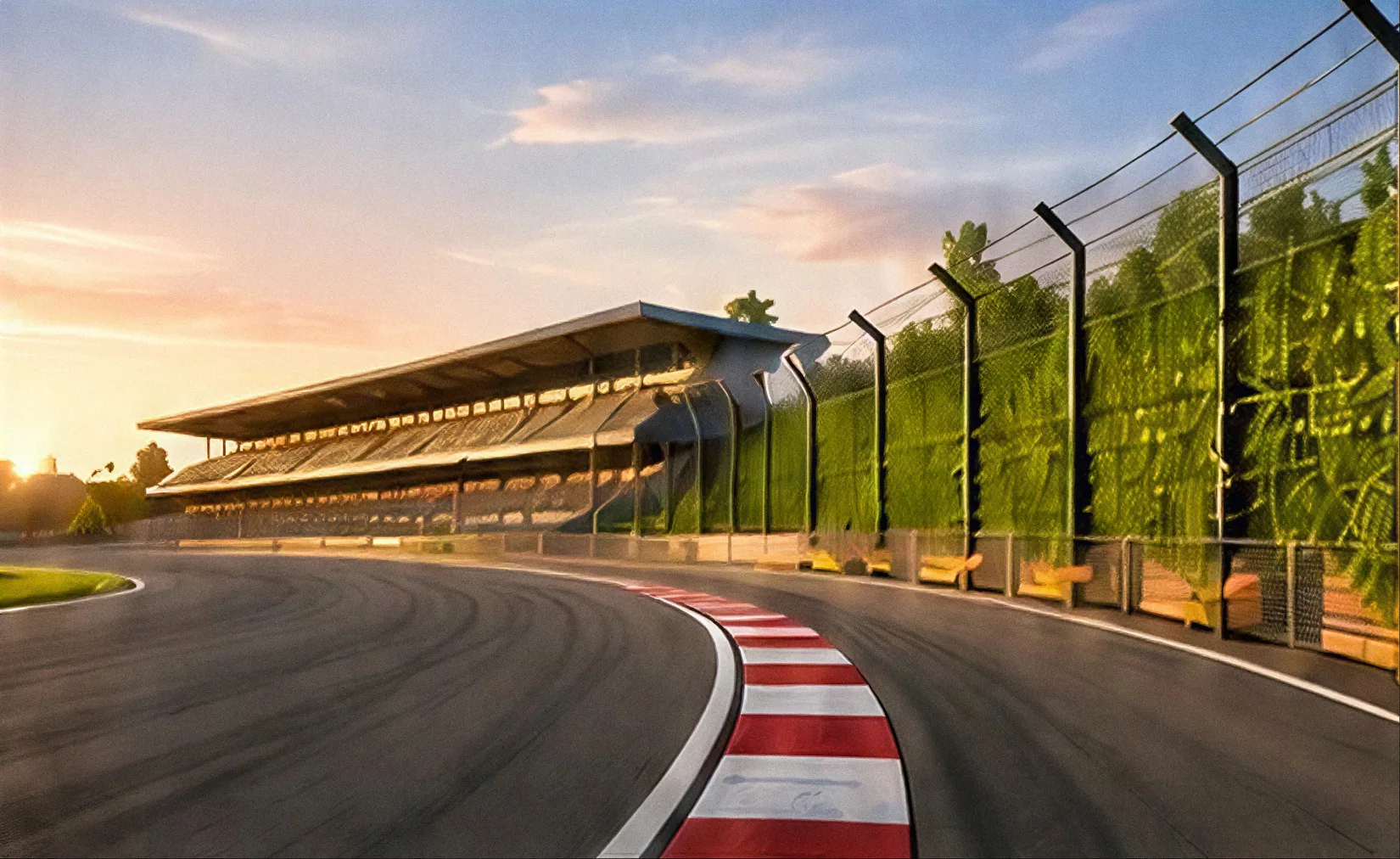
Racetrack perimeter concept animationConceptual design study · Not built

01

Racetrack perimeter

The proposed installation sits behind the circuit safety barricade as slim, horizontal microalgae modules. The study will assess maintenance access, incident safety, structural constraints, CO₂ uptake and biological performance.

At suitable FIA-grade testing and racing circuits, horizontal microalgae modules could be investigated behind selected safety barriers or along service-side perimeter structures. The design study considers sunlight exposure, structural supports, impact protection, access for cleaning and the uninterrupted functioning of the circuit.

Concept animation based on supplied Della racetrack imagery. Final placement requires circuit-design and safety review.

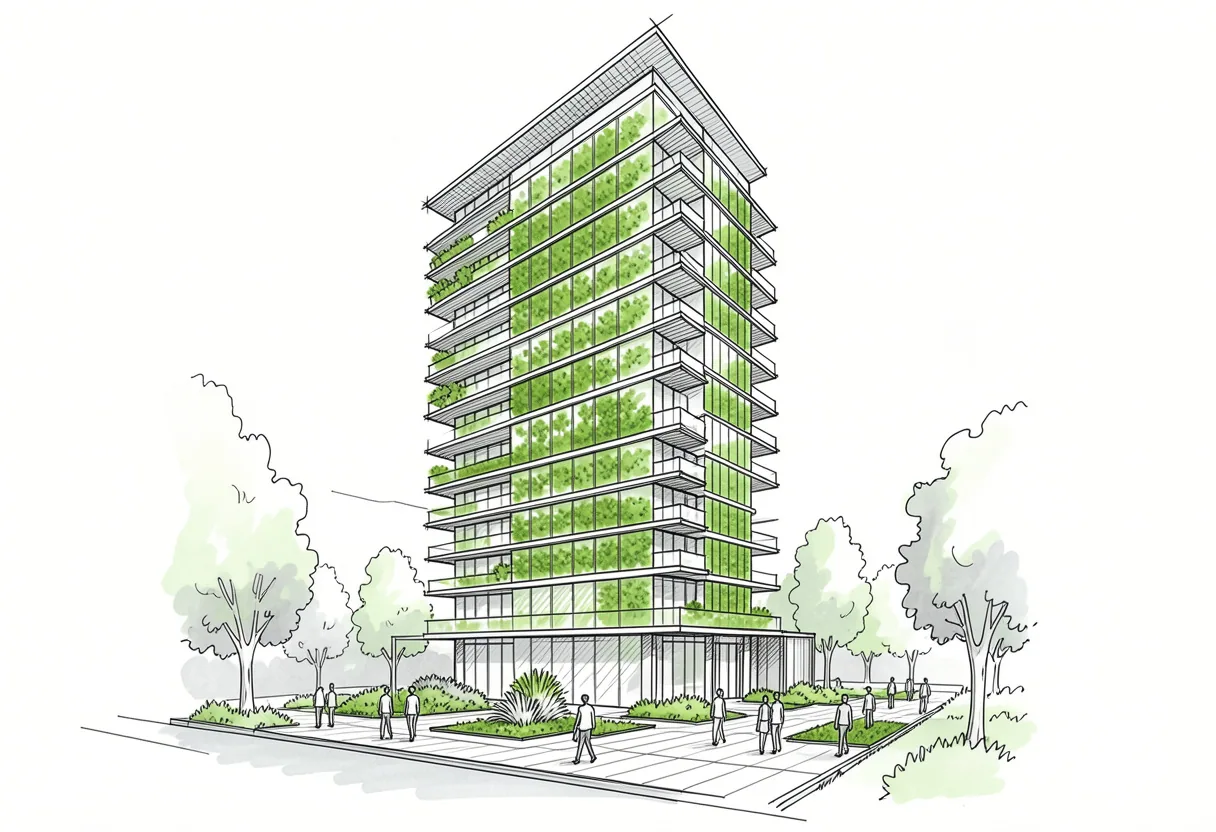
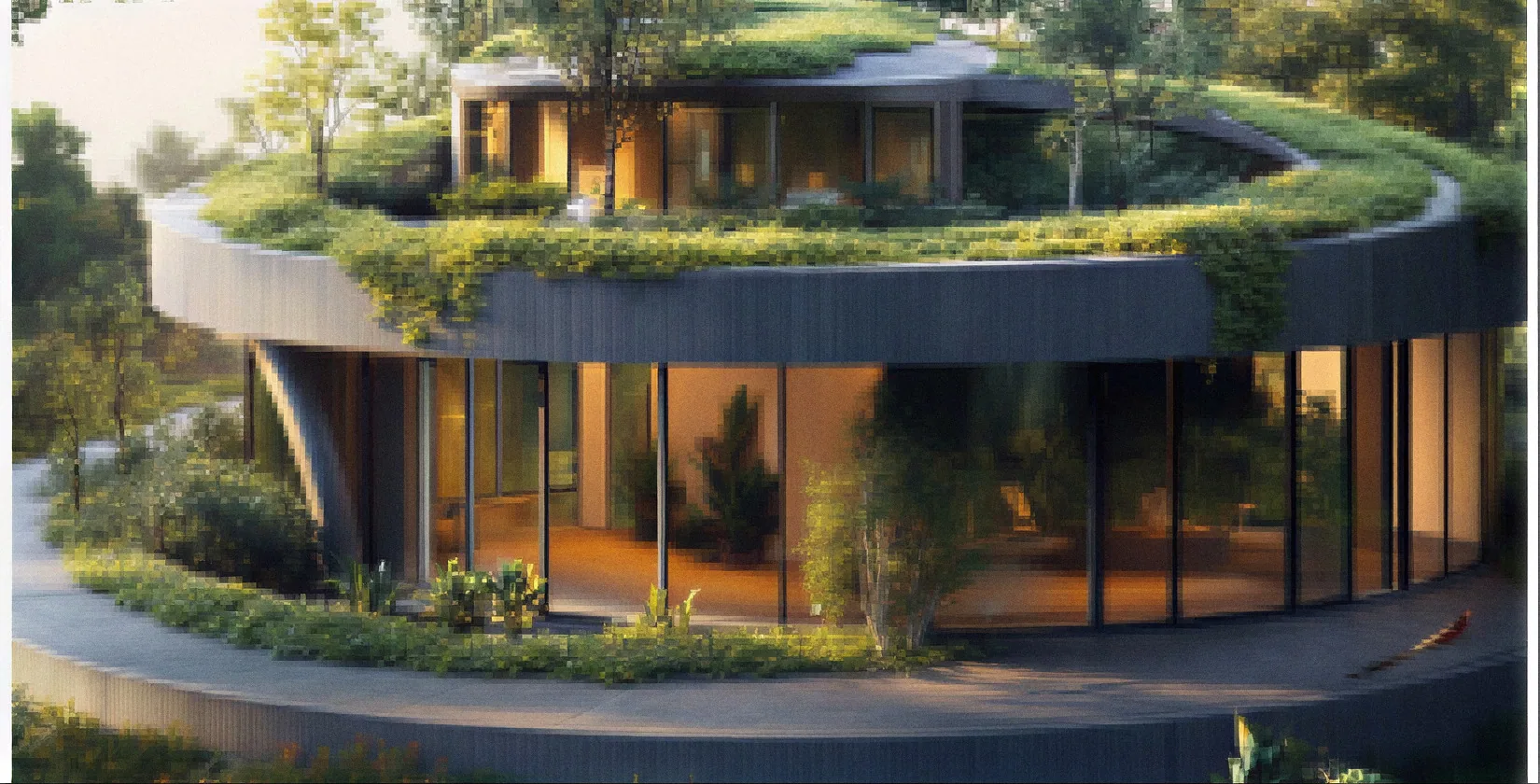
Concept sketch — concealed residential elevations

02

Concealed residential elevations

Rear and service elevations of Della Branded Residences may provide space for modular installations that are screened from principal guest and resident views. The engineering work must account for ventilation, drainage, maintenance access, structural loading and preserving the approved architectural appearance.

Concept sketch — township service infrastructure

03

Township service infrastructure

Utility enclosures, service buildings and suitable infrastructure corridors can offer accessible locations, including in townships without racing circuits. This study will examine equipment access, power and water supply, operations-team responsibility and performance under different local conditions.

Sub-Laboratory 32 / Research metrics

What will we measure?

The test is not whether algae grows. It is whether the installation produces measurable results under real operating conditions.

CO₂

Carbon uptake

Mass of CO₂ biologically absorbed over a measured period, compared with a defined baseline.

O₂

Oxygen output

Measured oxygen generation under the same operating conditions.

m²

Yield per installation area

CO₂ uptake and biomass output per square metre of deployed system.

24/7

Practical operation

Energy and water inputs, operating hours, contamination, cleaning and maintenance.

NET

Net carbon benefit

Account for energy, materials and the eventual treatment or use of harvested biomass.

₹

Replication cost

Capital cost, maintenance requirements and the conditions needed to expand deployment.

Sub-Laboratory 33

Microalgae Packaged Plants


Developing a modular system for indoor air-quality research and building integration.

IIT Madras research visit (video poster)

Research partnership

IIT Madras × Della Townships India

The work combines biological research with Della’s design, engineering and rapid-prototyping capabilities. Research visit and collaboration film.

Scientific research

IIT Madras & Vaayuneer Sciences

Study suitable microalgae strains, their growth conditions and biomass requirements for different applications. Develop methods to quantify CO₂ consumption, oxygen production and biological stability, including how performance changes at different room sizes and operating conditions.

Product development

Della Townships India

Translate the research into working packaged plants through industrial design, backward-integrated engineering, prototype fabrication, HVAC interfaces, controls, servicing and real-world testing within Della’s hospitality and township environments.

The proposed system

What is a microalgae packaged plant?

A modular unit intended to bring controlled microalgae cultivation together with building-service engineering. Della will prototype the equipment and test whether it can improve specific indoor air-quality measures.

01Microalgae cultivation

Selected strains grow in controlled light, nutrient and temperature conditions, consuming CO₂ and producing O₂ through photosynthesis.

02Engineered plant

Della develops a modular enclosure, fluid circulation, sensors, mechanical services and practical access for operations and maintenance.

Proposed modular microalgae plant (conceptual presentation)
03Water-wash air treatment

A separate proposed mist or water-wash stage is to be tested for capturing airborne particles. PM₂.₅/PM₁₀ removal, humidity, droplet carry-over and hygiene must be independently assessed.

04Validation and replication

Once demonstrated through testing, the ambition is to share validated designs and learnings through open-source research and invite further improvements.

What we measureCO₂Concentration change and measured mass uptakeO₂Actual oxygen production and deliveryPM₂.₅ / PM₁₀Particulate removal in controlled testingBiomassQuantity needed and output per unit

Sub-Laboratory 34

Algae Ponds


Reviving water through living systems.

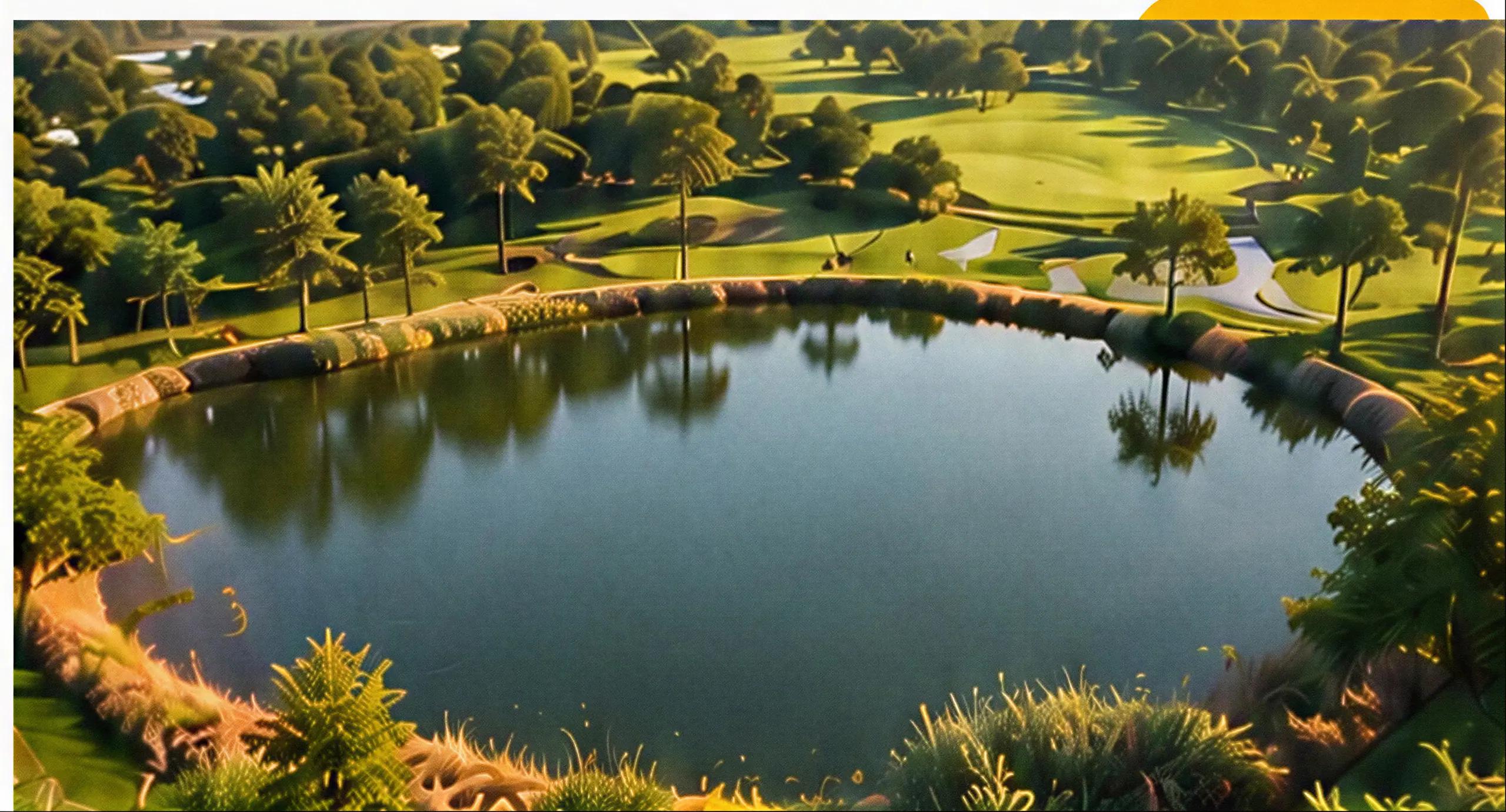
Algae pond within a township landscape (Della concept imagery · artist impression)
Della concept imagery · artist impression

Inside the master plan · Beyond the property line

Water ecology is not limited to the water bodies we create.

Within Della township master plans, ponds and lakes will form part of landscaped blue zones, golf-course water systems and integrated ecological infrastructure. The research will examine water quality, appropriate microalgae applications, aquatic habitats and ongoing maintenance.

Through Della Foundation, Della also intends to adopt suitable neighbouring ponds and water bodies in collaboration with local communities and authorities, assess their present condition and explore restoration of aquatic biodiversity and ecological function. Potential carbon capture must be measured; healthier water cannot automatically be counted as net carbon sequestration.

Microalgae may be researched as part of carefully managed biological treatment strategies where appropriate; uncontrolled algal blooms can themselves harm water quality. Methods would therefore be selected after ecological assessment and expert review.

01Within Della

Integrate ecological water bodies into the master plan with runoff management, planted edges, habitat, monitoring and appropriate water circulation.

02Della Foundation

Explore adoption and rejuvenation of nearby stagnant or degraded water bodies in partnership with local stakeholders and relevant authorities.

03Goal

Improve water quality, ecological function and community access, with maintenance and measurable outcomes built into the programme.

Sub-Laboratory 34 / Two applications

Blue zones within townships. Water-body restoration beyond them.

01 · Within the township

Integrate living water bodies into the master plan.

Design ponds, lakes and golf-course water systems as functional blue zones. Test appropriate algae-based treatments alongside circulation, wetland planting, nutrient management and habitat design.

Measure: pH, dissolved oxygen, nutrients, water clarity, ecological condition and maintenance.

Della Foundation · 02 · Surrounding communities

Adopt and restore suitable nearby ponds.

Through Della Foundation, explore adoption of neighbouring water bodies with communities and authorities. Survey inflows and pollution, establish baseline biodiversity, implement suitable rehabilitation and monitor aquatic life over time.

Research: Explore measurable biomass and carbon uptake where environmentally appropriate; do not treat algae growth alone as permanent carbon removal.

CautionWater-body restoration requires a site-specific ecology assessment. Uncontrolled algae blooms can reduce dissolved oxygen and harm aquatic life; any algae intervention must be controlled and monitored.

Sub-Laboratory 35

Urban Forests & Biodiversity


Connected habitats within the master plan.

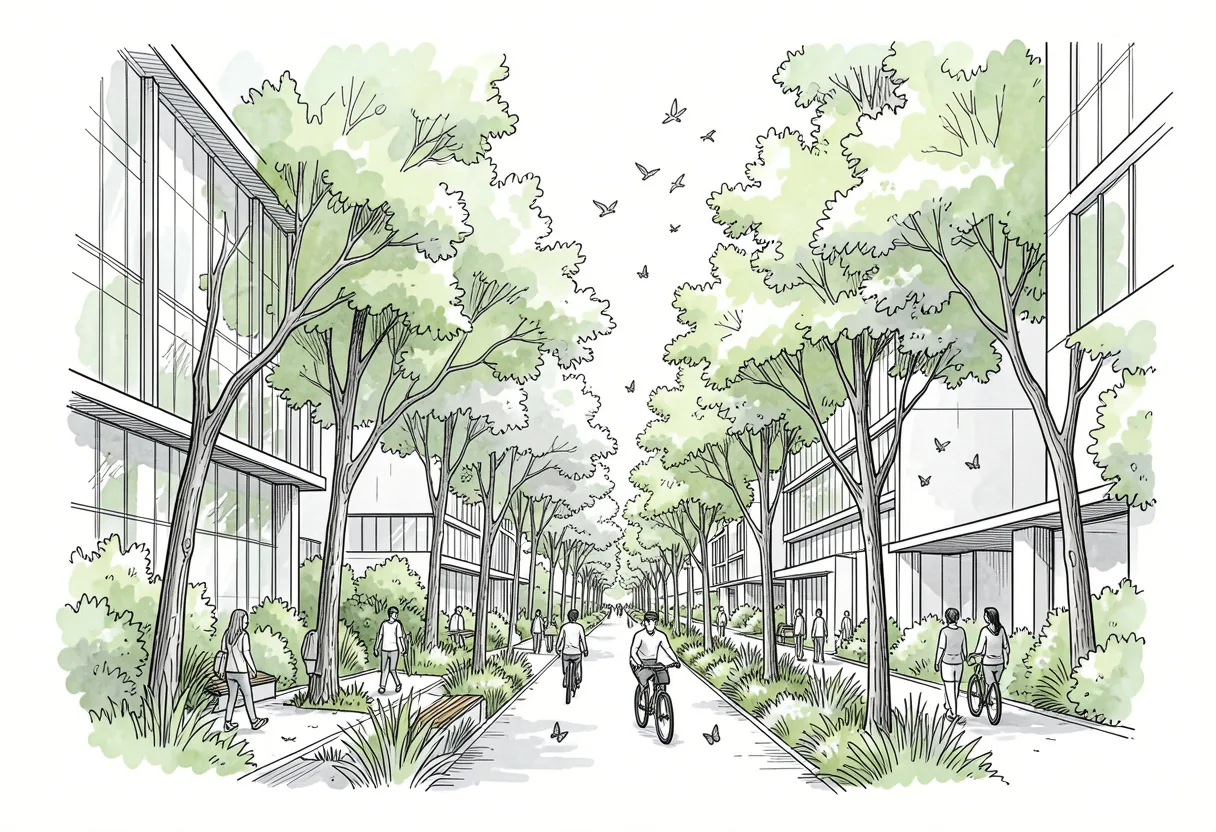
Urban forest corridor — concept sketch

From green cover to living networks

A township should be designed as part of a larger ecology.

Planting more trees is only a starting point. A regenerative master plan considers native species, vertical habitat, canopy continuity, soil health, ecological corridors, pollinator-friendly spaces, water bodies and the movement of wildlife.

We want to map existing ecological assets first, protect and strengthen them where feasible, and reconnect fragmented habitats through interconnected landscape systems. The aim is healthier ecosystems and more comfortable public spaces, while avoiding decorative biodiversity claims without field evidence.

01Map

Existing trees, habitats, biodiversity and sensitive landscape features.

02Connect

Native and climate-suited planting, corridors, canopy and shaded pedestrian networks.

03Monitor

Habitat condition, species observations, canopy establishment and survival rates.

What does a biodiversity corridor mean in practice?

It is a planned connection between green and blue habitats that can help different species move, feed or disperse. Its design depends on target species, road crossings, light, noise, planting and continuous management.

How do we avoid simply counting trees?

Measure survival and growth, canopy cover, habitat quality, native species diversity, connectivity and long-term ecological changes rather than reporting only planting quantities.

Sub-Laboratory 35 / Field evidence

Plan corridors. Track ecological change.

01 Baseline

Survey existing trees, native species, habitats and wildlife movement before master planning.

02 Connect

Design continuous planting, buffers, water-linked habitats and safe crossing locations based on ecological needs.

03 Monitor

Record tree survival, canopy cover, species observations and habitat condition over successive seasons.

Sub-Laboratory 36

Regenerative Landscapes


Landscape that can give back.

Landscape as a working ecological system

Beyond ornamental planting: soil, water, climate and people.

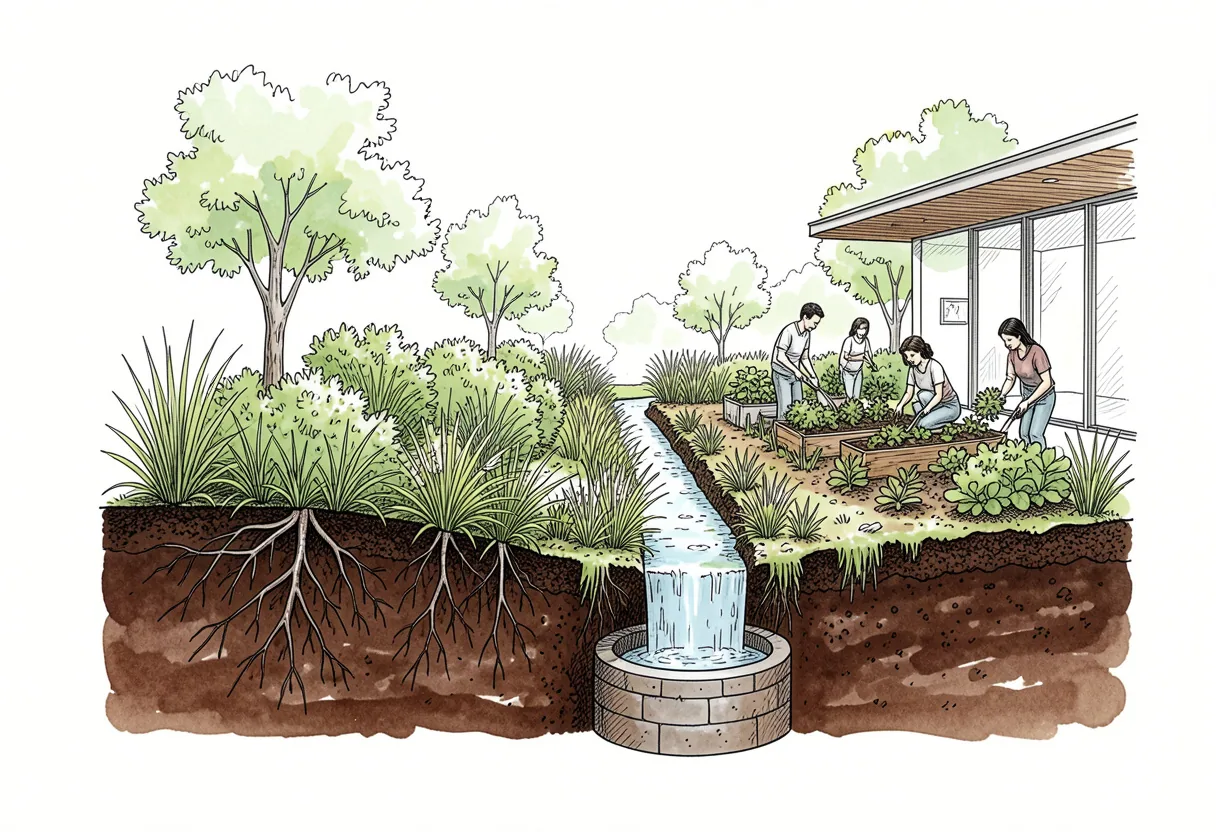
Landscape is the connective tissue of a township. It influences how rainwater enters the ground, how soil supports life, how summer heat is experienced, how ecosystems recover and how people encounter nature each day.

We are exploring a shift from resource-intensive decorative landscapes towards regionally responsive planting, soil improvement, water-sensitive design, reduced hard paving and landscape maintenance strategies that support ecological recovery.

Each landscape should respond to its own soils, rainfall, microclimate and ecological baseline. There is no single regenerative landscape formula that can simply be copied from one city to another.

Regenerative landscape — Della concept imagery
01Soil

Soil assessment, organic matter, compaction, erosion and restoration strategies.

02Water

Rain gardens, infiltration, runoff reduction and fit-for-purpose irrigation.

03Climate

Tree canopy, microclimate, shaded pedestrian spaces and heat-sensitive material choices.

What makes a landscape genuinely regenerative?

It should demonstrate improvement against an established ecological baseline, using suitable measures such as soil condition, water performance, biodiversity, habitat connectivity and resource consumption—not only visual greenness.

How will the programme vary between townships?

Species, soils, climate, rainfall, hydrology, existing vegetation and biodiversity are site-specific. The framework may be repeated, but each landscape intervention must be locally adapted and monitored.

Sub-Laboratory 36 / Measurable landscape performance

From landscape specification to field results.

01 Soil

Assess soil organic matter, infiltration, compaction and vegetation establishment.

02 Water

Track irrigation demand, runoff, infiltration and maintenance inputs.

03 Heat & biodiversity

Monitor shade and surface temperature, plant survival and landscape habitat value.

Our first result will be a baseline

We need site baselines and a defined monitoring period before reporting improvement.

Regenerative outcomes should be evidenced, not assumed. Every intervention must define a starting point, a test method, a monitored outcome and an honest account of trade-offs.

Carbon

Gas exchange, net carbon balance, energy use and biomass fate.

Air

CO₂ / PPM, relevant indoor-air metrics, flow rates and operating conditions.

Water

Dissolved oxygen, turbidity, nutrients, quality and ecological indicators.

Nature

Habitat quality, canopy survival, soil condition and biodiversity indicators.

The research protocol

01Document a baseline before intervention.
02Build a hypothesis and measurable success criteria.
03Prototype at controlled scale before broad deployment.
04Compare performance with a valid control or benchmark.
05Record maintenance, energy, cost and unintended effects.

Research to replication

Our ambition is to turn field-tested learning into actionable design intelligence that can travel beyond one township. The output could include modular specifications, scientific protocols, operational playbooks, site suitability criteria, performance data and openly shared lessons wherever rights, safety and validation allow.

Replication is earned through testing, not promised by a rendering.

Designing the next 100 years of human living

Research Test Measure Replicate.

Explore the five sub-labs ↑

Conceptual presentation · artist impressions. Research concepts and proposed collaborations are subject to testing and confirmation.

Group Companies

  • Della Resorts logo - Experiential hospitality brand by Della Townships India
  • Della Adventure logo - Adventure experiences by Della Townships India
  • DATA Lonavala logo - Della Adventure Training Academy by Della Townships India
  • Della Luxury Products logo - Luxury lifestyle products by Della Townships India
  • DLC logo - Della Leaders Club by Della Townships India

WANT TO IMPACT THE WORLD? LET'S COLLABORATE.

At Della Townships India, we believe the future is built through collaboration. We invite individuals, companies, research institutions and organizations to join our Future-Fit Living Laboratories, where ideas, research and innovations can be tested, developed and implemented in real-world townships.

If you believe you can shape how humanity lives for the next 100 years, let’s collaborate!